While formal suits typically feature smooth, refined materials like fine worsted wool with minimal texture, casual suits embrace more textured, relaxed fabrics: Natural fibers : Cotton, linen, and casual wool blends (like tweed or flannel) are common Visible texture : Look for fabrics with noticeable weaves or patterns like herringbone, hopsack, or seersucker Seasonal weights : Lighter, more breathable fabrics for warm weather and heartier textures for cooler months Construction and Structure Casual suits feature less rigid construction than their formal counterparts: Minimal shoulder padding : Softer, more natural shoulder lines create a relaxed silhouette Lighter canvas : Less internal structure allows for greater movement and comfort Unstructured or partially lined : Many casual suits eliminate or reduce lining, creating a more relaxed drape Relaxed proportions : Slightly less tapered silhouettes provide ease of movement Color and Pattern While formal suits are typically limited to solid navy, charcoal, or subtle pinstripes, casual suits offer a broader palette: Expanded color range : Light grays, tans, browns, olive greens, and softer blues Bolder patterns : Broader checks, windowpanes, or textural patterns Seasonal variations : Lighter colors for spring/summer and deeper, richer tones for fall/winter Details and Styling Casual suits often incorporate more relaxed details: Patch pockets : Instead of the flap or jetted pockets found on formal suits Casual buttons : Horn, mother-of-pearl, or other distinctive button styles Contrast stitching : Visible stitching that adds visual interest Working buttonholes : Functional cuff buttons (sometimes left unbuttoned for a relaxed look) The distinction between casual, business casual, and formal suits can be nuanced
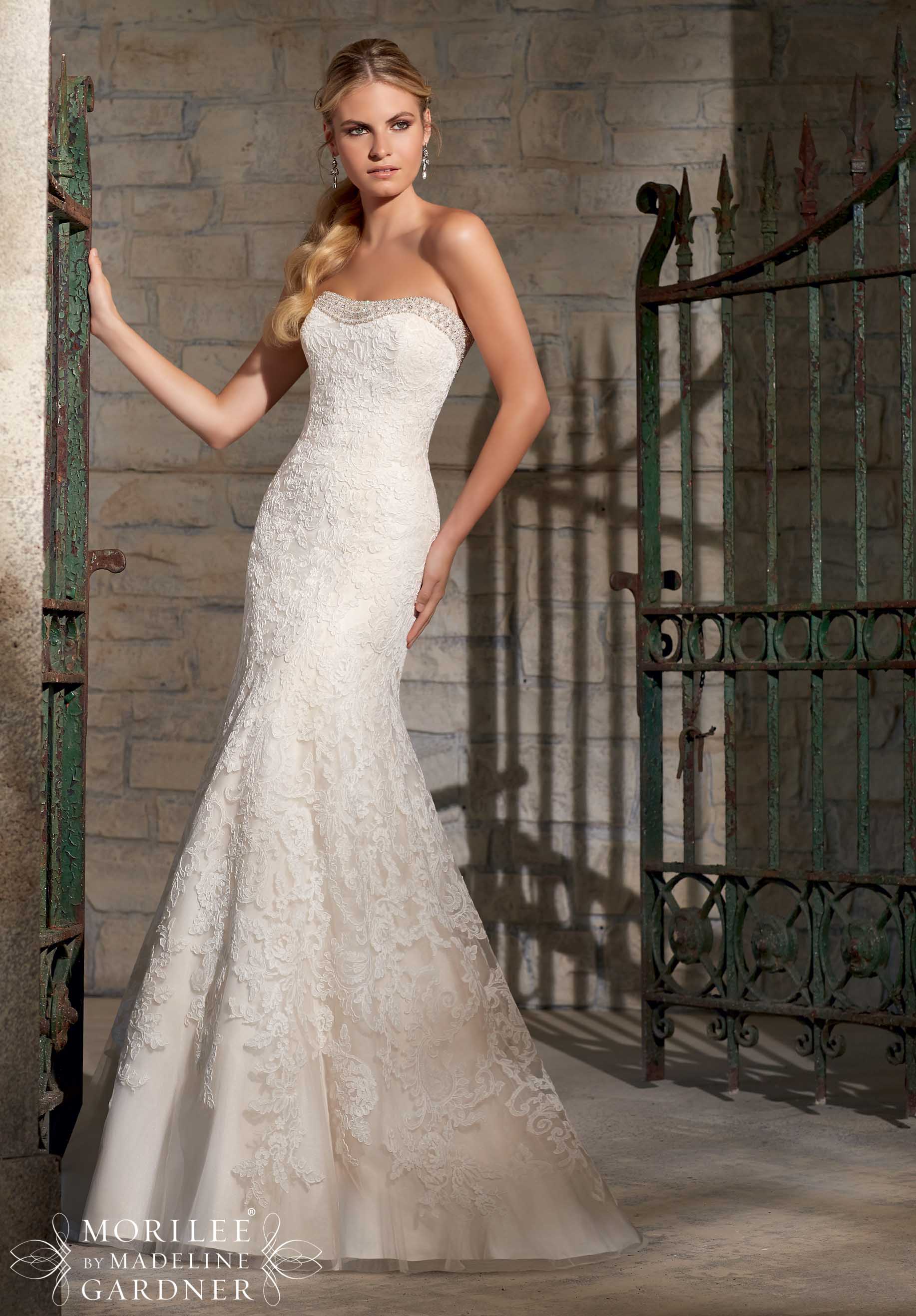
Care Instructions: Professional Dry Clean Only: Best for protecting the delicate lace embroidery and the layers of fine tulle
Jazz up your look with accessories, by all means with blingy stuff
Round Knob